trane tr150 manual
Trane TR150 Manual: A Comprehensive Guide
This comprehensive guide details the Trane TR150 VFD, offering technical information for qualified technicians regarding fault identification, repairs, and initialization procedures.
The Trane TR150 Variable Frequency Drive (VFD) is a crucial component in modern HVAC systems, designed to precisely control motor speed and optimize energy efficiency. This drive serves as the central control for indoor supply fan applications, ensuring reliable and adaptable performance. Understanding its capabilities is paramount for effective system operation and maintenance.
This VFD is engineered for compatibility with a wide range of motors, offering flexible solutions for diverse HVAC needs. Proper installation, programming, and troubleshooting, as detailed in this manual, are essential for maximizing the TR150’s benefits. The TR150, alongside the TR170, represents Trane’s commitment to advanced control technology, and this guide provides the necessary resources for qualified personnel to utilize its full potential. Regular manual updates ensure accuracy and reflect the latest advancements.
Purpose of this Manual
This manual serves as a comprehensive resource for qualified technicians authorized by Trane to install, service, and repair equipment utilizing the TR150 VFD. It provides detailed technical information, step-by-step instructions, and crucial safety precautions necessary for working with this sophisticated system.
The primary goal is to enable technicians to accurately diagnose faults, perform effective repairs, and ensure optimal system performance. It covers everything from initial setup and programming to troubleshooting warning and alarm messages. This document is regularly reviewed and updated to reflect the latest information and best practices. Disclaimer: The manufacturer assumes no liability for improper interpretation or use of this information, emphasizing the need for qualified personnel only.
Safety Precautions & Warnings
Working with heating, ventilating, and air-conditioning equipment, including the Trane TR150 VFD, presents inherent hazards. Installation, startup, and servicing require specialized knowledge and thorough training. Improper handling can result in serious injury or even death.
Always observe all safety precautions detailed in this manual, as well as those found on product labels and stickers. Disconnect power before performing any maintenance or repairs. Qualified personnel only should attempt to install, service, or repair this equipment. The manufacturer is not responsible for damages or injuries resulting from unqualified intervention. Strict adherence to these warnings is crucial for safe operation and longevity of the system.

Understanding the TR150 Components
This section details the TR150’s core elements: the VFD’s functionality, control panel features, and a comprehensive overview of input/output connections.
VFD Overview & Functionality
The Trane TR150 is a Variable Frequency Drive (VFD) designed to control the speed of AC induction motors, primarily within HVAC systems. Its core functionality revolves around modulating the frequency and voltage supplied to the motor, enabling precise control over airflow and system performance. This results in significant energy savings, improved process control, and reduced mechanical stress on connected equipment.
The TR150 efficiently manages motor acceleration and deceleration, offering customizable ramp-up and ramp-down times. It also provides protection features like overvoltage, undervoltage, overload, and short-circuit protection, safeguarding both the motor and the VFD itself. Furthermore, the VFD’s ability to adjust motor speed allows for optimized system operation based on real-time demands, contributing to a more comfortable and efficient environment.
Control Panel & Display
The Trane TR150 features a Local Control Panel (LCP) providing a user interface for monitoring and adjusting VFD parameters. This display, typically utilizing a digital alphanumeric screen, presents crucial information such as frequency, motor speed, voltage, current, and active fault codes. Navigation through menus is generally achieved via tactile buttons, allowing technicians to access programming modes and modify settings directly on the drive.
The LCP also indicates alarm and warning conditions through visual cues like flashing displays. It’s a vital tool for on-site diagnostics and troubleshooting. The display’s clarity and responsiveness are key to efficient operation and maintenance. Understanding the LCP’s layout and button functions is essential for effective interaction with the TR150.
Input/Output Connections
The Trane TR150 VFD utilizes a variety of input/output (I/O) connections for control, feedback, and communication. These include terminals for connecting motor leads (U, V, W), power supply connections (L1, L2, L3), and control signals. Digital inputs allow for start/stop commands, speed references, and fault reset functionality. Analog inputs are used for external speed control signals, typically 4-20mA or 0-10V.
Digital outputs provide status signals indicating VFD operation, fault conditions, or motor running status. Communication ports, if equipped, enable integration with Building Automation Systems (BAS) via protocols like Modbus. Proper wiring and termination of these I/O connections are crucial for reliable VFD operation;
Installation & Wiring
Proper mounting, adherence to wiring diagrams, and correct grounding are essential for safe and reliable TR150 VFD installation and operation.
Mounting the TR150
Securely mounting the Trane TR150 VFD is crucial for optimal performance and longevity. Ensure the chosen location provides adequate ventilation to dissipate heat generated during operation. The VFD should be mounted on a clean, flat, and non-combustible surface, capable of supporting its weight.
Maintain sufficient clearance around the unit for easy access during maintenance and servicing. Avoid mounting near sources of excessive dust, moisture, or corrosive gases. Utilize appropriate mounting hardware, tightening screws to the manufacturer’s specified torque. Verify the mounting surface is vibration-free to prevent damage to internal components. Proper mounting minimizes noise and ensures stable operation, contributing to the overall reliability of the system.
Wiring Diagrams & Specifications
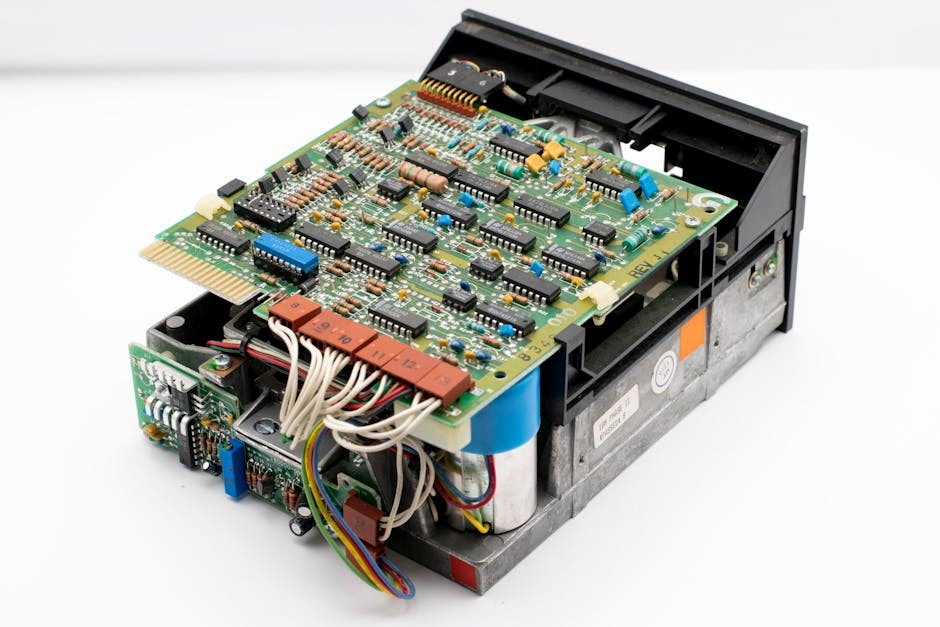
Accurate wiring is paramount for safe and effective TR150 operation. Refer to the detailed wiring diagrams provided in the manual, carefully noting input and output connections, control wiring, and grounding points. Specifications detail voltage requirements, current ratings, and wire gauge recommendations.
Ensure all wiring conforms to local and national electrical codes. Use appropriately sized and insulated wiring, securely terminating connections to prevent loosening. Double-check polarity before energizing the VFD. Incorrect wiring can lead to equipment damage, personal injury, or system malfunction. Adhering to the specified electrical parameters guarantees optimal performance and protects the VFD from potential hazards.
Grounding & Electrical Requirements
Proper grounding is critical for safety and reliable operation of the TR150 VFD. The unit must be grounded according to local and national electrical codes to minimize electrical shock hazards and prevent electromagnetic interference. Electrical requirements specify acceptable voltage ranges, phase configurations, and maximum input current.
Dedicated circuit breakers, sized appropriately for the VFD’s load, are essential. Ensure the electrical supply meets the specified frequency and provides stable power. Incorrect voltage or inadequate grounding can damage the VFD and connected equipment. Always disconnect power before performing any wiring or maintenance procedures.
Programming the TR150
Accessing programming mode allows technicians to configure parameters, adjust motor settings, and optimize performance of the TR150 VFD for specific applications.
Accessing Programming Mode
To enter the programming mode on the Trane TR150 VFD, navigate through the control panel using the keypad. Typically, this involves pressing a specific combination of keys – often the ‘MENU’ or ‘MODE’ button – to unlock access to the parameter settings.
The display will then present a menu structure, allowing technicians to scroll through various programming groups. Understanding the keypad functions, including ‘ENTER’ for selection and arrow keys for navigation, is crucial.
Be cautious when modifying parameters, as incorrect settings can impact VFD operation and potentially damage connected equipment. Refer to the parameter overview for detailed descriptions before making any changes. The manual emphasizes qualified technicians should perform these adjustments.
Parameter Overview & Descriptions
The Trane TR150 VFD features a wide array of programmable parameters, categorized for ease of navigation. These parameters control motor characteristics, acceleration/deceleration rates, protection settings, and communication protocols.
Key parameters include motor voltage, frequency, current limits, and overload protection levels. Understanding these settings is vital for optimal performance and preventing damage. The manual provides detailed descriptions for each parameter, explaining its function and acceptable range.
Carefully review these descriptions before making adjustments. Incorrect parameter values can lead to inefficient operation or even system failure. Voyager 2 VFD parameters documentation serves as a valuable reference for advanced configuration options.
Motor Parameters Configuration
Accurate motor parameter configuration is crucial for the Trane TR150’s reliable operation. This involves inputting the motor’s nameplate data, including voltage, full-load amps, frequency, and speed. Incorrect values can cause performance issues or trigger fault conditions.
Specifically, parameters like motor nominal voltage, current, and speed must precisely match the connected motor’s specifications. The VFD utilizes these values to calculate optimal control settings and protect the motor from overload.
Refer to the motor’s nameplate and the TR150 manual for guidance. Proper configuration ensures efficient energy usage and extends the lifespan of both the VFD and the motor.

Operation & Monitoring
Effective operation involves starting, stopping, and adjusting the VFD’s speed. Monitoring key performance indicators ensures optimal functionality and identifies potential issues promptly.
Starting & Stopping the VFD
Initiating the Trane TR150 VFD requires verifying proper wiring and parameter configuration before applying power. The run command, typically activated through digital input or the control panel, initiates the motor start sequence. Observe the display for any fault indications during startup.
To stop the VFD, de-energize the run command signal. The VFD will execute a programmed deceleration, either a controlled ramp-down or a quick stop, depending on the configured settings. Ensure the motor has fully stopped before disconnecting power or performing maintenance.
Always adhere to safety precautions during operation. Improper starting or stopping procedures can lead to equipment damage or personal injury. Refer to the full manual for detailed instructions and troubleshooting guidance.
Monitoring Key Performance Indicators
The Trane TR150 VFD’s control panel displays crucial operational data for performance assessment. Key indicators include motor speed (Hz or RPM), output frequency, output voltage, and output current. Regularly monitoring these values helps identify potential issues before they escalate.
Pay close attention to the VFD’s temperature. Excessive heat can indicate overload or inadequate cooling. Also, observe the VFD for any warning or alarm messages, which signal fault conditions requiring immediate attention.
Consistent monitoring allows for proactive maintenance and optimization of system efficiency. Analyzing trends in these KPIs can reveal opportunities to improve performance and extend equipment lifespan.
Speed Control & Adjustment
The Trane TR150 VFD offers versatile speed control options to match application demands. Adjustments can be made via the control panel, utilizing potentiometer inputs, or through external control signals like 4-20mA or voltage inputs.
Parameter settings dictate acceleration and deceleration rates (ramp up/down times). Fine-tuning these parameters prevents mechanical stress on the motor and driven equipment. Ensure proper configuration to avoid instability or nuisance trips.
Precise speed adjustments optimize energy consumption and process control. Regularly verify the motor’s speed against the desired setpoint, and recalibrate if necessary to maintain optimal performance.

Troubleshooting & Diagnostics
This section details warning and alarm messages, fault-finding procedures, and diagnostic codes for the TR150 VFD, aiding in swift issue resolution.
Warning Messages & Codes
Warnings indicate potential issues that, if unaddressed, could lead to faults or reduced performance of the TR150 VFD. A flashing display on the Local Control Panel (LCP) signifies a warning or alarm condition requiring attention. These messages provide crucial diagnostic information.
The frequency converter’s fault circuitry detects conditions triggering warnings. These aren’t immediate shutdowns but signal impending problems. Technicians should investigate promptly. Common warnings might relate to overvoltage, undervoltage, or excessive current draw.
Specific codes accompany each warning, enabling precise identification of the issue. Refer to the complete list in the service manual (BAS-SVM04B-EN, February 2017) for detailed explanations and recommended corrective actions. Ignoring warnings can escalate problems into full-blown alarms, necessitating a VFD shutdown.
Alarm Messages & Codes
Alarms signal immediate, critical faults within the Trane TR150 VFD, typically resulting in a shutdown to prevent damage. Like warnings, alarms are indicated by a flashing display on the LCP, but require immediate intervention. These codes pinpoint the exact nature of the failure.
When the fault circuitry detects a critical condition, an alarm is issued. Examples include short circuits, ground faults, or overheating. The VFD ceases operation to protect itself and connected equipment.
Consult the service manual (BAS-SVM04B-EN, February 2017) for a comprehensive list of alarm codes and their corresponding troubleshooting steps. Addressing alarms involves identifying and rectifying the underlying fault before attempting to restart the VFD. Ignoring alarms can lead to permanent damage.
Fault Finding Procedures
Effective fault finding with the Trane TR150 begins with accurately identifying the alarm or warning message displayed on the LCP. Refer to the detailed code listings within the service manual (BAS-SVM04B-EN, February 2017) to understand the specific issue.
Initial steps involve visually inspecting wiring connections for looseness or damage, and verifying proper grounding. Check input and output signals, and confirm motor parameters are correctly configured. Utilize a multimeter to test voltage and current levels.
Systematic troubleshooting, guided by the manual, is crucial. Document all findings and actions taken. If the fault persists, consult Trane’s Commercial HVAC Help Center for further assistance and potential advanced diagnostics.
Advanced Features & Settings
The TR150 offers customizable ramp control, precise PID control configuration, and potentially supports various communication protocols for integrated system management.
Ramp Up & Ramp Down Control
Ramp up and ramp down control within the Trane TR150 VFD are crucial for managing motor acceleration and deceleration, minimizing mechanical stress and preventing issues like water hammer in pump applications. These settings define the time it takes for the motor to reach the desired speed or come to a complete stop.
Adjustable parameters allow technicians to customize these rates, selecting from pre-defined profiles or creating custom curves. Faster ramp rates can improve responsiveness, while slower rates reduce stress on the driven equipment. The TR150 likely supports multiple ramp profiles, enabling different acceleration/deceleration characteristics for various operating scenarios. Proper configuration is essential for optimizing system performance and extending equipment lifespan, ensuring smooth and controlled operation.
PID Control Configuration
The Trane TR150 VFD’s PID (Proportional-Integral-Derivative) control functionality enables precise process control by maintaining a desired setpoint, such as pressure or flow. This configuration allows the VFD to automatically adjust motor speed based on feedback from an external sensor.
Technicians can tune the proportional gain (Kp), integral time (Ti), and derivative time (Td) parameters to optimize the control loop’s response. Correct tuning minimizes overshoot, oscillation, and settling time, ensuring stable and accurate process control. The TR150 likely offers auto-tuning features to simplify this process. Proper PID configuration is vital for applications requiring consistent performance and energy efficiency, adapting to changing system demands effectively.
Communication Protocols (if applicable)
The Trane TR150 VFD may support various communication protocols for integration into Building Automation Systems (BAS) or other control networks. Common protocols potentially include Modbus RTU/ASCII, which allows for data exchange and remote control of the VFD’s parameters.
Depending on the model, BACnet/IP or other industrial Ethernet protocols might also be supported, enabling seamless communication with advanced control systems. Configuring these protocols involves setting communication parameters like baud rate, parity, and addressing. Successful implementation allows for centralized monitoring, control, and data logging of the VFD’s performance, enhancing system efficiency and diagnostics.
Maintenance & Updates
Regular maintenance, firmware updates, and thorough cleaning/inspection are crucial for optimal TR150 VFD performance and longevity, as outlined in the service manual.
Regular Maintenance Schedule
Establishing a consistent maintenance schedule is paramount for ensuring the reliable operation of the Trane TR150 VFD. This involves periodic inspections of all connections – verifying tightness to prevent electrical issues and ensuring proper grounding. Dust accumulation should be addressed routinely, as it can lead to overheating and component failure.
Furthermore, a visual inspection of the control panel and display is recommended to identify any anomalies or error messages. Regularly check the cooling fan for proper function, and confirm that air vents are unobstructed. The manufacturer’s service manual (BAS-SVM04B-EN) provides detailed guidance on specific intervals for these checks. Adhering to this schedule minimizes downtime and extends the lifespan of the VFD, contributing to overall system efficiency.
Firmware Updates & Procedures
Maintaining up-to-date firmware on your Trane TR150 VFD is crucial for optimal performance and access to the latest features and bug fixes. Trane regularly releases firmware updates to enhance functionality and address potential vulnerabilities. Before initiating an update, always back up the existing configuration to prevent data loss.
The update procedure typically involves downloading the latest firmware from the Trane Commercial HVAC Help Center and transferring it to the VFD via a compatible communication interface. Carefully follow the instructions provided in the accompanying documentation, as an interrupted update can render the drive inoperable. Post-update, verify the successful installation and restore the saved configuration.
Cleaning & Inspection
Regular cleaning and inspection of the Trane TR150 VFD are essential for reliable operation and extended lifespan. Dust and debris accumulation can lead to overheating and component failure. Periodically inspect the VFD for signs of contamination, loose connections, or physical damage.
Use compressed air to gently remove dust from the internal components, ensuring the VFD is de-energized and locked out during this process. Avoid using liquids or abrasive cleaners. Inspect the fan for proper operation and clean or replace filters as needed. A visual inspection of wiring and terminals should also be performed to identify any potential issues.
Technical Specifications
This section details the TR150’s electrical characteristics, environmental requirements, and physical dimensions, providing crucial data for proper installation and operation.
Electrical Characteristics
The Trane TR150 VFD boasts a wide range of electrical specifications to accommodate diverse applications. Input voltage typically ranges from 200-240V or 380-480V, three-phase, 50/60Hz. The device supports a maximum output current varying based on the specific model, generally between 20-40 amps.
It’s crucial to verify the correct voltage and phase configuration before installation. The TR150 incorporates robust protection features, including overvoltage, undervoltage, and overload protection. Furthermore, it features a built-in braking resistor option for dynamic braking capabilities.
Power consumption is optimized for efficiency, and the unit adheres to relevant industry standards for electrical safety. Proper grounding is essential for safe and reliable operation, as detailed in the installation section.
Environmental Requirements
The Trane TR150 VFD is designed for reliable operation within specific environmental conditions. Optimal performance is achieved within an ambient temperature range of 23°F to 104°F (-5°C to 40°C), though short-term exposure outside this range may be tolerable.
Humidity should be maintained between 5% and 95% non-condensing to prevent internal corrosion and electrical issues. The VFD is suitable for altitudes up to 3,300 feet (1000 meters) without derating; higher altitudes may require special consideration.
Avoid direct exposure to sunlight, rain, or corrosive atmospheres. Ensure adequate ventilation to prevent overheating, and protect the unit from excessive dust and debris. Vibration and shock should be minimized for optimal longevity and consistent performance.
Physical Dimensions
Understanding the Trane TR150’s physical specifications is crucial for proper installation and enclosure planning. The VFD’s height typically ranges from 7.75 inches (197 mm) to 11.8 inches (300 mm), depending on the specific model and horsepower rating.
Width generally falls between 5.1 inches (130 mm) and 8.3 inches (211 mm), while depth varies from 6.2 inches (157 mm) to 9.8 inches (250 mm). Weight can range significantly, from approximately 4.4 lbs (2 kg) for smaller units to over 11 lbs (5 kg) for larger horsepower models.
These dimensions are approximate and subject to change; always consult the specific model’s datasheet for precise measurements. Proper clearance around the unit is essential for adequate ventilation and maintenance access.