nortel networks t7316e user manual
Nortel Networks T7316E User Manual: A Comprehensive Guide
This guide details the Nortel T7316E phone system‚ covering operation‚ programming‚ and troubleshooting. PDF manuals‚ GDC-400‚ 6812‚ and IBM resources are included.
The Nortel T7316E represents a significant piece of telecommunications history‚ a product of Nortel Networks‚ a once-dominant Canadian multinational corporation. This phone system‚ widely deployed in businesses‚ offered a robust and feature-rich communication solution during its time. Understanding its functionality requires accessing the appropriate documentation‚ often found as a PDF download online.
This manual serves as a comprehensive resource for users‚ administrators‚ and technicians seeking to operate‚ maintain‚ or troubleshoot the T7316E system. It delves into the system’s capabilities‚ from basic call handling to advanced programming features. Related documentation for systems like the LG Nortel GDC-400 and the 6812 IP phone can provide supplementary information‚ particularly regarding integration and compatibility. Furthermore‚ resources from IBM Nortel Networks‚ such as the L2/3 switch documentation‚ offer insights into the broader network context.
Historical Context of Nortel Networks
Nortel Networks‚ formerly Northern Telecom Limited‚ was a Canadian telecommunications giant that played a pivotal role in shaping modern communication infrastructure. Founded in 1895‚ the company grew to become a global leader in data networking and telecommunications equipment. The T7316E phone system emerged during a period of significant innovation for Nortel‚ representing their commitment to providing businesses with advanced communication solutions.
However‚ the early 2000s brought financial difficulties and ultimately led to Nortel’s demise in 2009. This collapse has implications for ongoing support and maintenance of legacy systems like the T7316E. While the company no longer exists‚ its products remain in use‚ necessitating access to historical documentation – often available as PDF manuals – for continued operation. Understanding this history is crucial when considering long-term strategies for systems relying on Nortel technology.
Overview of the T7316E Phone System
The Nortel T7316E is a digital key telephone system designed for small to medium-sized businesses. It provides a robust and reliable communication platform with features like call hold‚ transfer‚ and speed dial. Accessing the system’s programming allows customization of settings‚ including the system time‚ and user profiles. PDF versions of the official user manual are essential for understanding its full capabilities.
The system often integrates with related components like the GDC-400‚ and 6812 phones‚ creating a comprehensive communication network. While considered a legacy system today‚ the T7316E remains functional in many environments. However‚ due to Nortel’s history‚ finding support and replacement parts can be challenging‚ making thorough documentation and understanding of the system vital for continued operation.

Understanding the Hardware
Nortel T7316E hardware includes physical components‚ a display‚ keypad‚ and various connectivity options like ports and interfaces for peripherals and networking.
Physical Components of the T7316E
The Nortel T7316E is a robust‚ business-class telephone designed for reliable communication. Its construction centers around a durable plastic casing‚ typically available in neutral colors like gray or beige‚ intended to blend into professional office environments. The phone features a substantial base providing stability during use.
Key physical elements include the handset‚ designed for clear voice transmission‚ and a two-part cradle for convenient on/off hook operation. Above the keypad resides a multi-line display screen‚ providing caller ID‚ feature status‚ and menu navigation. The unit also incorporates a dedicated speakerphone button and volume control.
On the rear panel‚ users will find various ports for connecting headsets‚ external power‚ and potentially‚ data lines depending on the system configuration. The overall design prioritizes functionality and durability‚ reflecting its intended use in demanding business settings.
Display and Keypad Layout
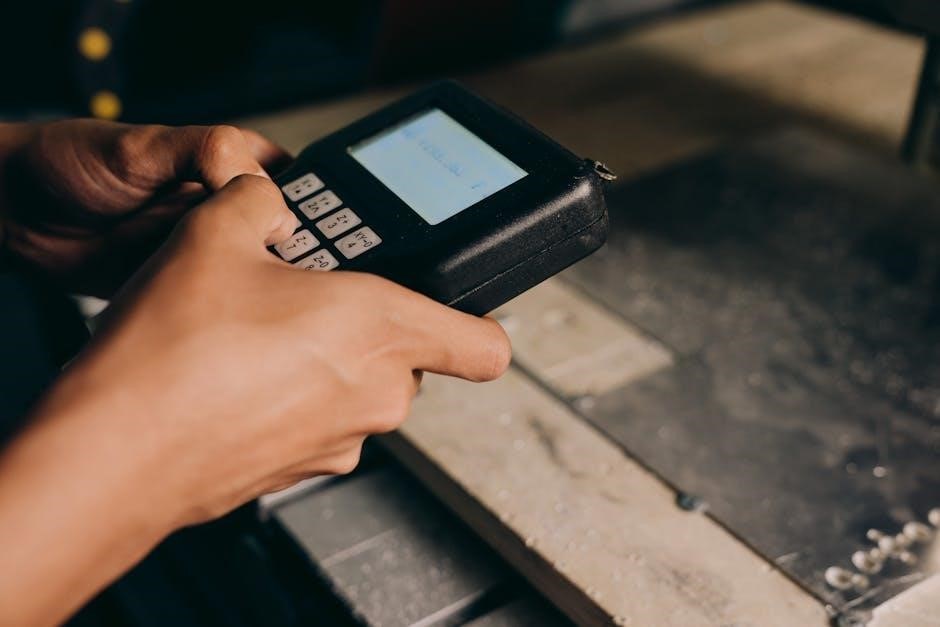
The Nortel T7316E features a multi-line LCD display‚ typically offering a monochrome presentation for clear visibility. This screen presents crucial information such as caller ID‚ extension numbers‚ date‚ and time. It also serves as the interface for navigating system menus and accessing programmed features. Backlighting ensures readability in varied lighting conditions.
Below the display resides a standard telephone keypad‚ arranged in a 3×4 matrix with digits 0-9. Dedicated buttons include functions like ‘Redial’‚ ‘Hold/Recall’‚ ‘Transfer’‚ ‘Conference’‚ and ‘Speakerphone’. A navigation cluster‚ often featuring arrow keys and an ‘OK’ or ‘Select’ button‚ facilitates menu interaction.
Programmable feature keys‚ labeled F1 through F12‚ allow users to customize quick access to frequently used functions like speed dial or call forwarding. The layout is designed for intuitive operation‚ prioritizing efficiency in a business environment.
Connectivity Options (Ports & Interfaces)
The Nortel T7316E primarily connects to the telephone network via a standard RJ11 port‚ facilitating a reliable connection for voice communication. A dedicated port supports connection to a headset‚ enhancing privacy and comfort during calls. The system often incorporates an auxiliary port for connecting external devices‚ such as a printer for call detail records.
Data connectivity is typically achieved through a serial port‚ enabling system programming and configuration via a PC. Some models may include a proprietary interface for connecting to a GDC-400 or similar system controller. Power is supplied via an external power adapter‚ connecting through a DC power jack.
These interfaces allow for flexible deployment and integration within a broader telecommunications infrastructure‚ supporting both basic telephony and advanced features.

Basic Operation
Nortel T7316E operation includes making and receiving calls‚ utilizing the speakerphone‚ headset functionality‚ and essential call handling features like hold and transfer.
Making and Receiving Calls
To initiate a call on the Nortel T7316E‚ simply lift the handset and dial the desired number. The system supports both internal and external dialing‚ depending on system programming. For external calls‚ you may need to dial a prefix‚ such as ‘9’‚ to access an outside line.
Incoming calls are indicated by a ringing tone and a visual display on the phone’s screen. Lift the handset or press the answer key to accept the call. The display will typically show the caller ID information‚ if available.
During a call‚ you can adjust the volume using the volume control keys. The T7316E also offers features like mute and flash‚ accessible via dedicated keys on the keypad. Understanding these basic functions is crucial for effective communication using the system. Proper dialing procedures and call acceptance are fundamental to the phone’s usability.
Using the Speakerphone and Headset
The Nortel T7316E offers convenient hands-free communication via its integrated speakerphone. Activate the speakerphone by pressing the designated speakerphone key during a call. Adjust the volume to a comfortable level using the volume control. This feature is ideal for conference calls or when multitasking.
For private conversations‚ or to free up your hands‚ connect a compatible headset to the designated headset port. The system automatically detects the headset and routes the audio accordingly. Ensure the headset is properly connected for optimal audio quality.
Proper headset and speakerphone usage enhances call clarity and comfort. Remember to test both features to ensure they are functioning correctly. These options provide flexibility and improve the overall user experience with the T7316E phone system.
Call Hold and Transfer Functions
The Nortel T7316E provides essential call management features‚ including Hold and Transfer. To place a call on hold‚ press the ‘Hold’ button during an active call. The caller will hear hold music‚ indicating the call is paused. Press ‘Hold’ again to resume the call.
Transferring a call allows you to connect the caller to another extension. Press the ‘Transfer’ button‚ dial the extension number‚ and then press ‘Transfer’ again to complete the transfer. A warm transfer allows you to briefly speak with the recipient before connecting the caller.
These functions streamline communication and improve call handling efficiency. Familiarize yourself with these features to manage calls effectively. Proper use of Hold and Transfer enhances productivity and provides a professional calling experience with the T7316E system.

Advanced Features & Programming
Accessing system programming allows customization of features like time settings and user profiles. Speed dial configuration enhances call efficiency on the T7316E.
System Programming Access
Entering system programming mode on the Nortel T7316E is crucial for customizing the phone system to meet specific user needs. This process typically involves a sequence of key presses‚ often initiated by pressing a dedicated “Program” or “Setup” key on the telephone. The exact key sequence can vary depending on the system configuration and administrator settings‚ so consulting the official T7316E user manual (available in PDF format online) is highly recommended.
Once in programming mode‚ users navigate through various menus and options using the keypad. The display will guide you through the available settings‚ allowing adjustments to features like call forwarding‚ speed dialing‚ and system time. It’s important to proceed cautiously and document any changes made‚ as incorrect settings can disrupt phone service. Remember to save your changes before exiting programming mode to ensure they are applied.
Access levels may be restricted based on user permissions‚ requiring an administrator password for certain advanced configurations.
Changing the System Time
Adjusting the system time on the Nortel T7316E requires access to the system programming mode. As previously detailed‚ this is initiated via a specific key sequence on the phone itself. Once inside programming‚ navigate to the time and date settings menu – the exact path will be outlined in the official T7316E user manual‚ readily available as a PDF download.
Typically‚ you’ll be prompted to enter the current month‚ day‚ and year‚ followed by the hour and minute. Ensure you select the correct AM or PM designation. After inputting the desired time‚ confirm your changes and save them. Incorrect time settings can affect call logs and other time-sensitive features.
Administrator privileges may be needed to modify system-wide settings like the time. Always double-check the displayed time after saving to confirm the changes were applied correctly.
Configuring User Profiles
User profile configuration within the Nortel T7316E system allows administrators to personalize settings for each phone user. Access to this functionality is through system programming mode‚ requiring appropriate credentials. Profiles typically include settings for name display‚ extension number assignment‚ and access to specific features.
Administrators can define individual speed dial lists‚ call forwarding options‚ and voicemail access for each user. Customization extends to ringtone preferences and volume levels. Properly configured profiles enhance user experience and streamline communication workflows.
The official T7316E user manual (available in PDF format) provides a detailed walkthrough of the profile creation and modification process. Remember to save changes after each adjustment to ensure they are applied correctly.
Setting Up Speed Dial

Speed dial programming on the Nortel T7316E significantly enhances call efficiency. Access the system programming mode‚ typically requiring a designated administrator code‚ to begin. Speed dial entries are assigned numerical slots‚ allowing for quick access to frequently dialed numbers.
The system supports both system-wide and individual user speed dial lists. System-wide lists are accessible to all users‚ while individual lists are private. When programming‚ ensure accurate entry of phone numbers and associated names for easy identification.
Refer to the official T7316E user manual (PDF version available online) for a step-by-step guide. Remember to test each entry after programming to confirm functionality. Properly configured speed dial lists save valuable time and improve overall productivity.

Troubleshooting Common Issues
Common problems like no dial tone‚ poor audio‚ and display errors are addressed. PDF manuals offer solutions‚ guiding users through fixes for Nortel T7316E issues.
No Dial Tone Troubleshooting
Encountering no dial tone on your Nortel T7316E can be frustrating‚ but several steps can help diagnose and resolve the issue. First‚ verify the physical connection of the telephone line to the phone itself and to the wall jack. Ensure the cord is securely plugged in at both ends.
Next‚ check the system programming to confirm the line is properly configured and active. Incorrect settings can prevent the phone from receiving a dial tone. Consult the official T7316E user manual (PDF) for detailed programming instructions.
If the line is still inactive‚ test with another phone to determine if the problem lies with the phone or the telephone service. If another phone works‚ the issue is likely with the Nortel T7316E itself‚ potentially requiring repair or replacement. Finally‚ contact your telephone service provider to rule out any external line issues or outages.
Poor Audio Quality Solutions

Experiencing poor audio quality on your Nortel T7316E phone system can stem from various causes. Begin by checking the handset and headset for any physical damage or obstructions. Ensure the earpiece and microphone are clean and free from debris.
Next‚ examine the cabling connecting the phone to the network; Faulty or damaged cables can introduce static or distortion. Try replacing the cable with a known good one. Verify network connectivity; a weak or unstable network connection can significantly impact audio quality.
Within the system programming‚ explore settings related to volume levels and audio codecs. Adjusting these settings may improve clarity. Refer to the T7316E user manual (PDF) for specific instructions. If issues persist‚ contact your service provider to investigate potential line quality problems.
Display Problems and Fixes
Display issues on the Nortel T7316E can range from dim screens to complete failures. Initially‚ verify the display’s contrast setting within the system programming menu. Adjusting this can often resolve dimness or faded characters. If the screen is blank‚ check the power supply to the phone; ensure it’s securely connected.
Consult the official T7316E user manual (PDF) for detailed instructions on navigating the programming options. A reset of the phone may resolve software glitches causing display errors. However‚ note that this will erase any personalized settings.
If the problem persists‚ inspect the display cable connecting the screen to the phone’s circuit board. A loose or damaged cable could be the culprit. If you’re uncomfortable with internal repairs‚ seek assistance from a qualified technician.

Manuals and Documentation
Locate the official T7316E PDF user manual online for comprehensive details. Related manuals for GDC-400 and 6812‚ plus IBM switch documentation‚ are available.
Locating the Official T7316E User Manual (PDF)
Finding the official Nortel T7316E user manual in PDF format requires a focused search‚ as Nortel’s official website is no longer active. Several online repositories host archived documentation. A 92-page document is available through various sources‚ often accessible via direct download links or through online manual libraries.
The Manual Library is a valuable resource‚ with uploads dating back to September 6‚ 2020. Searching specifically for “Nortel Networks T7316E manual PDF” yields results from sites offering downloadable files‚ including options for single-page processing (JP2 ZIP) and torrent downloads. Be cautious when downloading from unfamiliar sources and always scan files for viruses.
ManyBooks is also mentioned as a potential source‚ though its availability may vary. Remember to verify the document’s authenticity and completeness before relying on its information. The PDF provides detailed instructions on operating and programming the T7316E phone system.
Related Manuals: GDC-400 and 6812
Alongside the T7316E documentation‚ understanding the LG Nortel GDC-400 and 6812 manuals can be beneficial‚ particularly within a broader Nortel network context. The GDC-400 user manual details a DECT key system for local sales‚ illustrating specific configurations and functionalities relevant to call management. It provides insights into the system’s architecture and operational parameters.
The LG NORTEL 6812 IP Phone manual offers provisioning details‚ specifically referencing Sylantro-hosted service release 3.2.1. This is crucial for network administrators managing IP phone deployments. The 6812 manual also includes information on the LG Aria LDP-7016‚ suggesting interoperability considerations.
These related manuals complement the T7316E documentation by providing a wider view of the Nortel ecosystem‚ aiding in troubleshooting and system integration. Accessing these resources enhances overall network knowledge.
IBM Nortel Networks L2/3 Switch Documentation
For comprehensive network understanding‚ the IBM Nortel Networks L2/3 switch documentation is invaluable‚ especially when the T7316E operates within a larger infrastructure. IBM Redbooks‚ specifically REDP-3755‚ provide detailed insights into network switching technologies utilized by these systems. This resource covers architecture‚ configuration‚ and troubleshooting aspects of the L2/3 switches.
The documentation details network switching principles‚ essential for diagnosing connectivity issues impacting the T7316E. Understanding the switch’s role in routing calls and data traffic is crucial for optimal performance. It outlines advanced features and security protocols implemented within the network.
Accessing this documentation‚ available as a PDF‚ empowers administrators to manage and maintain the entire network infrastructure effectively‚ ensuring seamless communication alongside the T7316E phone system.

Legacy System Considerations
Nortel’s decline impacts T7316E support and modern network compatibility. Migration strategies are vital due to limited parts and evolving technologies.
Nortel’s Demise and System Support

Nortel Networks‚ once a Canadian telecommunications giant‚ filed for bankruptcy protection in 2009‚ significantly impacting long-term support for systems like the T7316E. Following the company’s demise‚ obtaining official parts and dedicated technical assistance became increasingly challenging. While some third-party companies emerged offering limited support and refurbished components‚ the availability is not guaranteed and often comes at a premium cost.
Users of the T7316E system now largely rely on existing resources‚ community forums‚ and independent technicians for maintenance and repairs. The lack of official software updates and security patches presents potential vulnerabilities‚ making the system less secure over time. Businesses still utilizing the T7316E must proactively manage these risks and consider eventual migration to a more modern and supported communication platform. Continued operation necessitates careful planning and resourcefulness.
Compatibility with Modern Networks
The Nortel T7316E‚ designed for older telephony infrastructures‚ presents significant compatibility challenges when integrating with contemporary networks. Its reliance on traditional Time-Division Multiplexing (TDM) technology contrasts sharply with modern IP-based communication systems. Direct connection to current internet-based phone services (VoIP) is generally not possible without specialized gateways or conversion equipment.
These gateways translate between the T7316E’s analog signals and the digital packets used by VoIP providers‚ introducing complexity and potential performance limitations. Furthermore‚ security protocols used by modern networks may not be fully compatible with the T7316E’s older security features. Successfully integrating the system requires careful network configuration and a thorough understanding of both the T7316E’s capabilities and the requirements of the modern network environment.
Migration Strategies from T7316E
Given Nortel’s demise and diminishing support‚ migrating from the T7316E is often the most practical long-term solution. Several strategies exist‚ ranging from phased replacements to complete system overhauls. A phased approach involves gradually replacing T7316E phones with modern IP phones‚ utilizing gateways to maintain connectivity during the transition. This minimizes disruption but requires careful planning.
A complete overhaul entails replacing the entire system – the T7316E‚ any associated call processing hardware (like the GDC-400)‚ and migrating to a modern VoIP solution. Cloud-based phone systems offer scalability and reduced maintenance. Thorough assessment of current call volume‚ features used‚ and future needs is crucial. Professional assistance from a telecommunications consultant is highly recommended to ensure a smooth and cost-effective migration.