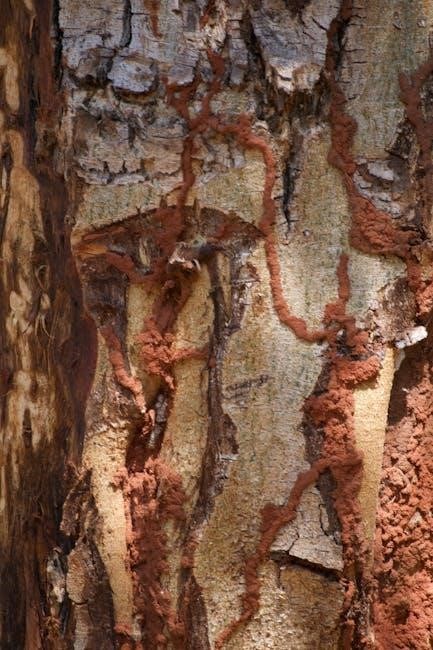
tree disease identification guide australia
Tree Disease Identification Guide Australia ⎻ Article Plan
This guide details crucial aspects of recognizing and managing tree diseases across Australia‚ focusing on Phytophthora‚ leaf issues‚ and unusual growth patterns.
Australia’s diverse ecosystems face significant threats from a wide array of tree diseases‚ impacting both native flora and commercially important species. Early detection and accurate identification are paramount for effective management and minimizing ecological damage. Phytophthora dieback poses a major risk‚ particularly in Western Australia‚ but numerous other pathogens and environmental factors contribute to tree ill-health. Recognizing symptoms like discolored leaves‚ unusual growths‚ and premature leaf drop is the first step towards protecting our valuable trees and forests.
Common Environmental Factors Contributing to Tree Disease
Several environmental stressors significantly increase tree susceptibility to disease. Prolonged drought weakens trees‚ making them vulnerable to pathogens. Conversely‚ excessive rainfall and humidity create ideal conditions for fungal and bacterial growth. Poor soil conditions‚ including compaction and nutrient deficiencies‚ compromise root health. Climate change‚ with its associated extreme weather events‚ further exacerbates these issues‚ impacting tree vigor and resilience across Australia.
Soil Conditions and Drainage
Healthy soil is paramount for tree health; poor drainage fosters root rot pathogens like Phytophthora. Compacted soils restrict oxygen flow to roots‚ weakening trees. Nutrient imbalances‚ whether deficiencies or excesses‚ stress trees‚ reducing disease resistance. Soil pH also plays a role‚ influencing nutrient availability and pathogen activity. Improving soil structure and drainage is crucial for preventative tree care.
Climate and Weather Patterns
Australia’s diverse climate significantly impacts tree disease prevalence; Prolonged wet periods favor Phytophthora dieback‚ while droughts stress trees‚ making them susceptible. Extreme temperatures can weaken trees‚ increasing vulnerability to pathogens. Seasonal changes influence disease cycles; spring often sees increased fungal spore release. Understanding regional weather patterns is vital for proactive disease management.
Phytophthora Dieback: A Major Threat
Phytophthora dieback poses a substantial threat to Australian ecosystems‚ particularly in Western Australia’s southwest. This soil-borne pathogen attacks plant roots‚ disrupting water uptake and causing decline. Native species are highly susceptible‚ leading to widespread forest degradation. Effective management requires strict hygiene protocols to prevent spread‚ as it’s a driving factor in plant loss.
Understanding Phytophthora Species
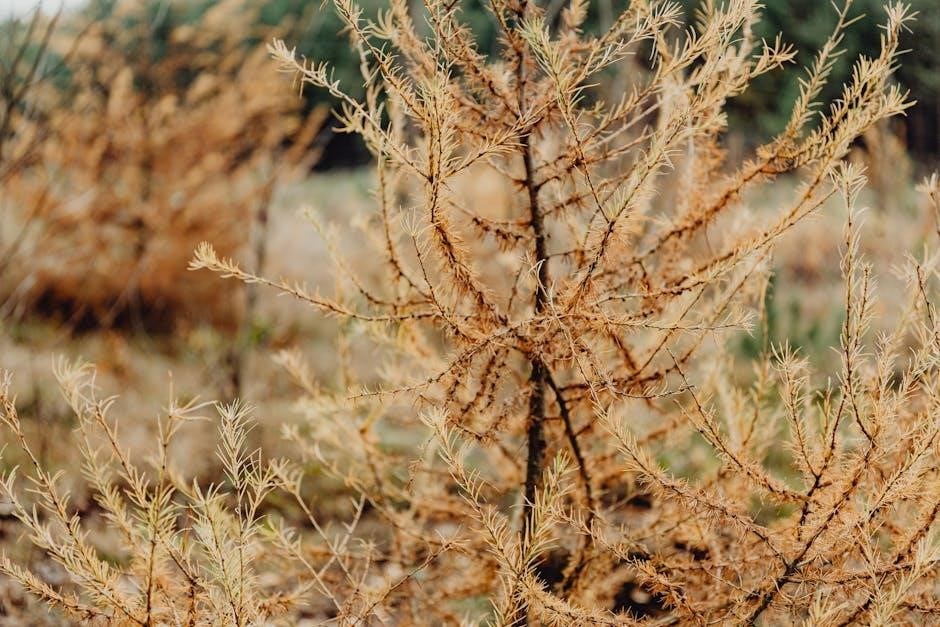
Phytophthora isn’t a single organism; numerous species exist‚ each with varying host ranges and aggressiveness. Phytophthora cinnamomi is the most widespread and destructive in Australia‚ impacting diverse plant communities. Identifying the specific Phytophthora species present is crucial for targeted management strategies‚ though diagnosis often requires laboratory analysis due to morphological similarities.
Symptoms of Phytophthora Dieback in Australian Trees
Phytophthora dieback manifests as canopy decline‚ with branches exhibiting sparse foliage and eventual dieback. Leaves may display chlorosis (yellowing) or necrosis (browning)‚ often starting at the tips. Root systems show rotting‚ with dark‚ water-soaked lesions. Sudden plant death‚ particularly during warmer months‚ is a key indicator‚ especially in susceptible species.
Leaf Diseases: Visual Indicators
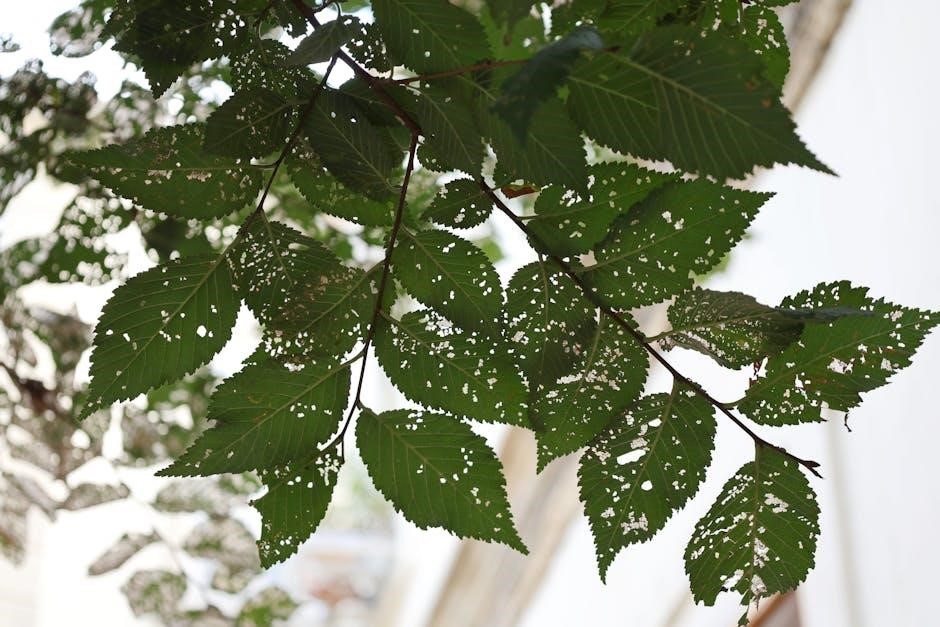
Leaf diseases present noticeable changes in appearance. Discoloured or distorted leaves are common‚ alongside premature leaf drop‚ signaling underlying issues. Look for spots‚ blotches‚ or unusual patterns. Decreased foliage density during peak growing seasons—summer and spring—is also a warning sign. These visual cues indicate potential fungal or bacterial infections impacting tree health.
Leaf Spot Diseases (e.g.‚ Anthracnose)
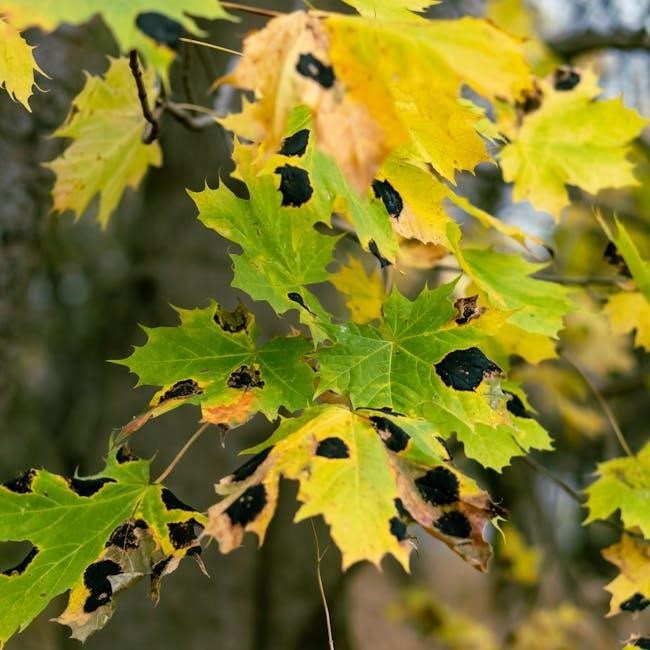
Leaf spot diseases‚ like Anthracnose‚ manifest as distinct spots on foliage‚ varying in color and size. These spots often feature dark borders and can merge‚ causing significant defoliation. Anthracnose thrives in humid conditions‚ leading to irregular blotches and premature leaf drop. Early detection is crucial for managing spread and minimizing tree damage.
Leaf Blight and Rust Diseases
Leaf blight presents as rapid browning and death of leaf tissue‚ often starting at the tips or margins. Rust diseases‚ conversely‚ display powdery‚ often reddish-orange pustules on leaf surfaces. Both significantly impact photosynthetic capacity‚ weakening the tree. These diseases flourish in moist environments‚ spreading via wind and water splash‚ necessitating prompt intervention.
Discoloration and Premature Leaf Drop – What it Means
Yellowing or browning leaves‚ alongside early shedding‚ frequently signal underlying stress – often disease. Discoloration can indicate nutrient deficiencies‚ vascular issues‚ or fungal/bacterial infections. Premature leaf drop weakens the tree‚ reducing its ability to photosynthesize and defend itself. Investigating the cause is vital for effective treatment and preventing further decline.
Root Diseases: Often Hidden Problems
Root diseases present a significant challenge as symptoms often remain unseen until advanced stages. Pathogens like Armillaria cause root rot‚ disrupting water and nutrient uptake‚ leading to decline. Look for stunted growth‚ branch dieback‚ and potentially‚ tree instability. Diagnosis requires soil analysis or root examination‚ highlighting the need for professional assessment.
Armillaria Root Rot
Armillaria‚ a widespread fungal pathogen‚ causes devastating root rot in numerous Australian trees. Symptoms include progressive decline‚ yellowing foliage‚ and the presence of white fungal fans beneath the bark at the root collar. These fans are a key diagnostic feature. The fungus spreads through root grafts‚ impacting multiple trees‚ necessitating prompt action and potentially removal.
Other Common Root Rot Pathogens
Beyond Armillaria‚ several other fungal pathogens contribute to root rot in Australia. Phytophthora species are significant‚ particularly in wetter regions‚ causing root and crown rot. Rosellinia can affect a wide range of hosts‚ while Xylaria often targets stressed trees. Accurate identification requires laboratory analysis‚ as symptoms can overlap‚ hindering effective management strategies.
Canker Diseases: Affecting Branches and Trunks
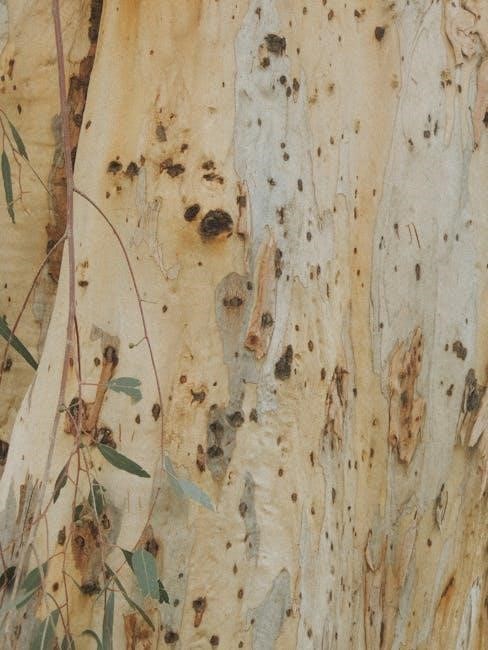
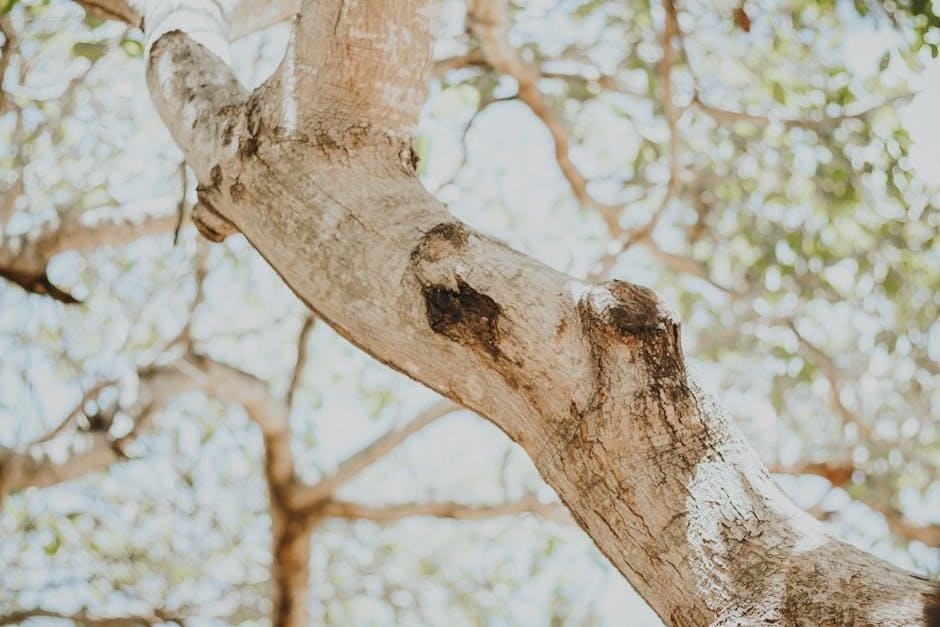
Cankers‚ caused by various fungi and bacteria‚ create sunken or swollen areas on branches and trunks‚ disrupting nutrient flow. Identifying cankers involves observing discolored bark‚ often with oozing sap or fungal fruiting bodies. Severity varies; some cankers girdle and kill branches‚ while others remain localized. Prompt pruning of affected limbs is crucial for disease management.
Identifying Cankers on Australian Trees
Look for sunken‚ discolored patches on branches or the trunk – these are potential cankers. Observe any oozing sap‚ cracking bark‚ or fungal growth within the affected area. Cankers often appear oval or elongated and may expand over time. Early detection is key; regularly inspect trees for these visual cues to prevent widespread infection and ensure tree health.
Management of Canker Diseases
Effective management involves pruning infected branches well below the canker‚ disinfecting tools between cuts to prevent spread. Improve tree vigor through proper watering and fertilization. Consider fungicide applications in some cases‚ though prevention is best. Monitor trees regularly post-treatment‚ and remove severely affected trees to limit disease transmission within the landscape.
Vascular Diseases: Disrupting Water Transport
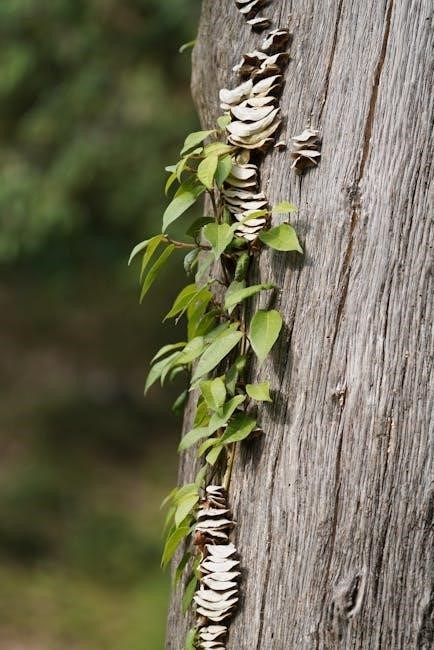
Vascular diseases‚ like Eucalyptus Sudden Wither‚ severely impede water flow within the tree‚ leading to rapid decline. Symptoms include wilting leaves‚ branch dieback‚ and often a reddish discoloration of the wood. Management is challenging; prevention through healthy tree care is vital. There are limited curative options once infection takes hold.
Eucalyptus Sudden Wither
Eucalyptus Sudden Wither is a devastating vascular disease impacting Eucalyptus species. Characterized by rapid leaf wilt and branch death‚ it disrupts water transport. The cause is a bacterium‚ potentially spread by insects. Early detection is crucial‚ though symptoms progress quickly. Currently‚ there’s no effective cure‚ emphasizing preventative tree health measures;
Pests as Vectors of Disease
Various pests act as vectors‚ spreading pathogens that cause tree diseases across Australia. Borers create entry points for fungal infections‚ weakening trees. Scale insects excrete honeydew‚ fostering sooty blotch‚ a fungal growth. These infestations compromise tree health‚ making them susceptible to other diseases. Effective pest management is vital for disease prevention.
Borers and Their Role in Disease Spread
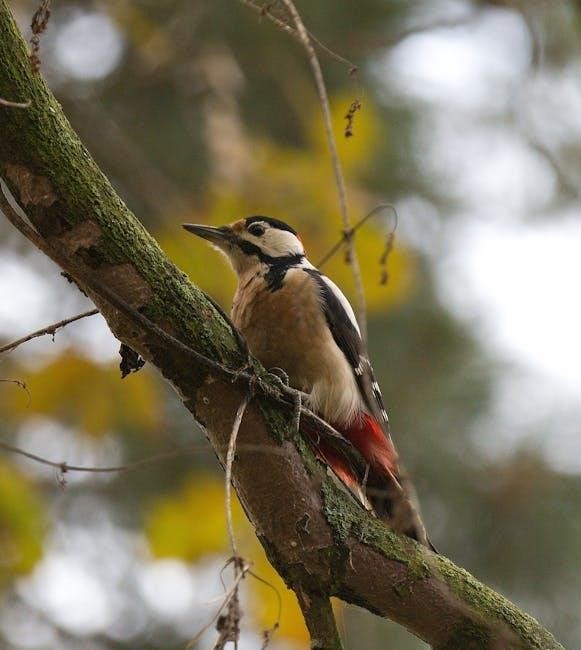
Borers‚ drilling into tree tissues‚ create pathways for opportunistic fungal pathogens to invade. These tunnels disrupt vascular systems‚ hindering nutrient and water transport‚ weakening the tree. The resulting damage predisposes trees to various diseases‚ like canker diseases. Identifying borer activity – small holes and frass – is crucial for early intervention and disease prevention.
Scale Insects and Sooty Blotch
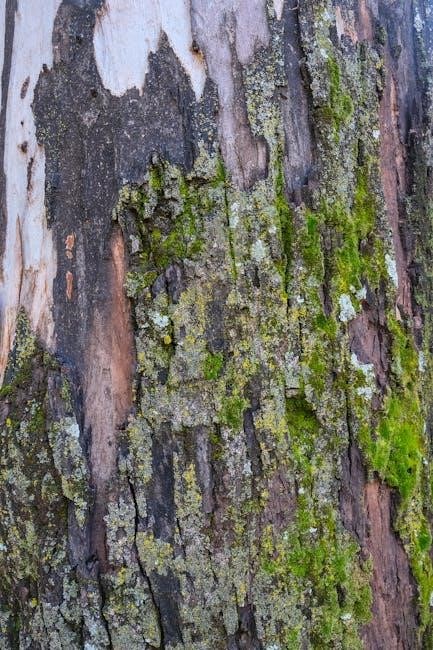
Scale insects‚ small and often immobile‚ suck sap from trees‚ weakening them and producing honeydew. This sugary substance fosters the growth of sooty blotch‚ a black fungal coating on leaves and branches. While sooty blotch isn’t directly harmful‚ it reduces photosynthesis. Controlling scale insects is key to preventing this unsightly and potentially debilitating condition.
Regional Variations in Tree Diseases
Australia’s diverse climates mean tree diseases vary significantly by region. Western Australia faces a major threat from Phytophthora dieback‚ impacting native flora. Eastern Australia contends with different fungal pathogens and pests due to higher humidity. Understanding these regional differences is crucial for accurate diagnosis and effective management strategies‚ tailored to local conditions and tree species.
Common Diseases in Western Australia
Western Australia is heavily impacted by Phytophthora dieback‚ a devastating root rot affecting a wide range of native plants and trees. Other prevalent diseases include various fungal leaf spots and cankers. DBCA actively manages Phytophthora due to its significant ecological impact. Monitoring for symptoms like wilting‚ dieback‚ and unusual growth is vital for early detection and intervention.
Common Diseases in Eastern Australia
Eastern Australia experiences a diverse range of tree diseases‚ including leaf blights‚ rusts‚ and vascular wilts. Discoloration and premature leaf drop are frequently observed indicators of stress. While Phytophthora is present‚ other pathogens and environmental factors play a larger role. Careful observation of foliage and growth patterns is crucial for accurate diagnosis and effective management strategies.
Disease Prevention Strategies
Proactive tree care is paramount in disease prevention. Maintaining tree health through proper watering‚ fertilization‚ and pruning enhances resilience. Implementing strict biosecurity measures‚ like cleaning tools‚ limits disease spread. Early detection of unusual growth patterns allows for timely intervention‚ minimizing potential damage and protecting Australia’s valuable tree populations.
Maintaining Tree Health Through Proper Care
Optimal tree health begins with appropriate watering and fertilization‚ tailored to species and local conditions. Regular‚ careful pruning removes dead or diseased branches‚ improving airflow. Monitoring foliage for changes – like discoloration or premature leaf drop – enables early detection of problems. Consistent care builds resilience against pathogens and pests.
Biosecurity Measures and Hygiene
Preventing disease spread requires strict hygiene practices. Clean pruning tools between trees to avoid cross-contamination. Avoid moving soil from infected areas. Report unusual tree symptoms to relevant authorities promptly. Implementing biosecurity protocols‚ especially in sensitive areas‚ safeguards Australia’s vulnerable ecosystems from devastating pathogens like Phytophthora.
Identifying Unusual Growth Patterns
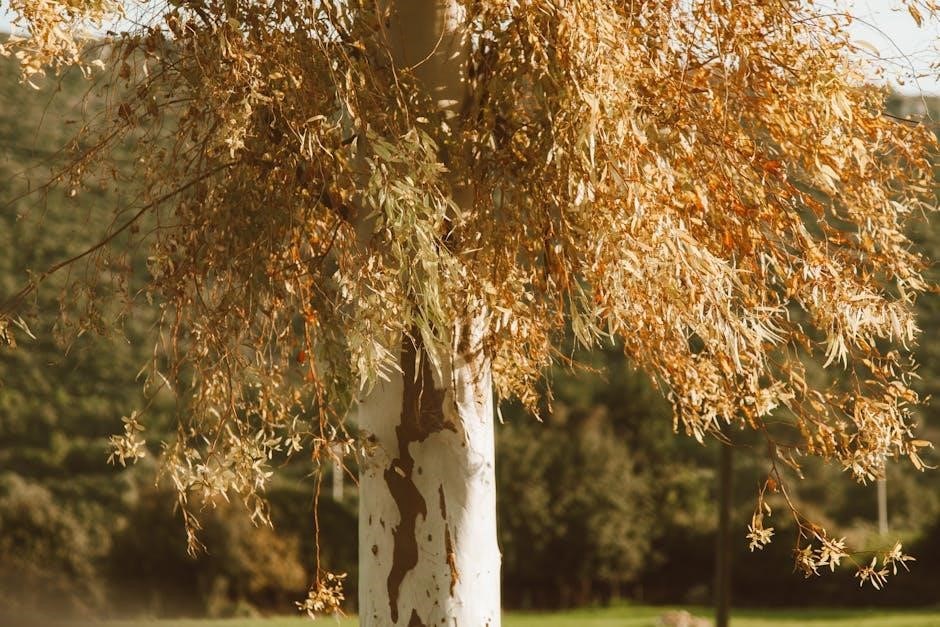
Observe trees for stunted growth‚ asymmetrical canopies‚ or abnormal branch development. Look for swelling‚ dieback in specific sections‚ or the presence of unusual growths. Distorted leaves and premature leaf drop often accompany these patterns. These changes can signal underlying disease‚ pest infestations‚ or environmental stress‚ requiring further investigation for accurate diagnosis.
Resources for Further Identification and Assistance
For detailed analysis‚ consult State Government Agriculture Departments offering expert advice and diagnostic services. Utilize Plant Pathology Laboratories for precise disease identification through sample testing. When in doubt‚ engage a qualified professional Arborist for on-site assessment and tailored management plans. These resources ensure accurate diagnoses and effective tree care strategies.
State Government Agriculture Departments
Each state’s Department of Agriculture provides invaluable resources‚ including diagnostic services and detailed information on prevalent tree diseases. Specifically‚ the Department of Biodiversity‚ Conservation and Attractions (DBCA) in Western Australia actively manages Phytophthora dieback. Agriculture Victoria offers guidance on shrub and tree disease prevention and treatment‚ aiding in effective disease management.
Plant Pathology Laboratories
Specialized plant pathology laboratories offer precise disease diagnosis‚ crucial for effective treatment plans. These facilities analyze samples to identify pathogens causing issues like Phytophthora or fungal infections. Accurate identification‚ beyond visual symptoms – such as discoloured leaves or unusual growths – is vital for targeted interventions and preserving tree health across Australia.
When to Call a Professional Arborist
Engage a qualified arborist when facing complex tree health concerns‚ especially with suspected vascular diseases like Eucalyptus Sudden Wither. Signs demanding expert attention include extensive cankers‚ rapid decline‚ or unusual growth patterns. Professional arborists provide accurate diagnoses‚ recommend appropriate treatments‚ and ensure safe tree removal if necessary‚ protecting both property and ecosystems.
Impact of Tree Diseases on Australian Ecosystems
Tree diseases‚ particularly Phytophthora dieback‚ profoundly impact Australian ecosystems‚ causing widespread native plant decline in Western Australia and beyond. Loss of keystone species disrupts habitats‚ reduces biodiversity‚ and alters ecosystem functions. Effective disease management is crucial for preserving native flora‚ protecting water catchments‚ and maintaining overall ecological health for future generations.
Emerging Tree Diseases in Australia
Australia faces a growing threat from newly emerging tree diseases‚ potentially exacerbated by climate change and increased global trade. Monitoring for novel pathogens and understanding their spread are vital. Early detection and rapid response are essential to minimize impacts on vulnerable native forests and plantations‚ safeguarding Australia’s unique biodiversity and forestry industries.
Protecting Australia’s trees requires a collaborative effort involving proactive disease monitoring‚ robust biosecurity protocols‚ and community engagement. Early identification of symptoms‚ coupled with swift action‚ is crucial for mitigating the devastating impacts of tree diseases. Continued research and investment in tree health are essential for preserving these vital ecosystems for future generations.